 Skip to content
Starting nursery is a big step, and many parents naturally want to know what happens during the day before choosing the right setting.
Our nursery’s daily routine is designed to give children structure, reassurance and freedom to explore. A typical day includes registration, free play, carpet time, teacher-led and child-led activities, snack and story time, outdoor play, and specialist activities such as gymnastics, multi-sports, music and movement, French, and Foodie Friday.
The routine helps children feel secure while supporting confidence, independence, social skills and school readiness through play-based learning.


What Happens During a Typical Nursery Day?
A good nursery schedule gives children a familiar rhythm without making the day feel too rigid.
At Square One, each part of the day has a purpose. Some moments help children settle, some encourage social development, and others support physical skills, language, creativity and independence.
A typical morning includes:
- Early Bird from 8am
- Registration and free play
- Carpet time
- Teacher-led and child-led activities
- Daily specialist activities
- Hand washing, snack and story time
- Outdoor free play
- Home time for morning children
- Lunch Club or Afternoon School for eligible children
This blend of consistency and flexibility helps children feel safe, supported and ready to learn.
Early Bird From 8am: A Flexible Start For Families
We offer Early Bird from 8am, giving families more flexibility at the beginning of the day.
For children, an earlier start can also provide a gentle transition into the nursery environment; they have time to arrive, settle and ease into the day before the main morning routine begins.
8:45am To 9:30am: Registration & Free Play
The main nursery day begins with registration and free play.
This gives children time to arrive calmly, greet familiar adults, reconnect with friends and choose activities that interest them. Some children may enjoy construction, drawing or imaginative play, while others may prefer quieter activities as they settle.
Free play is an important part of early years education because it supports:
- Communication
- Creativity
- Confidence
- Problem-solving
- Independence
- Social interaction
For younger children, this calm start can make separation from parents feel easier and more predictable.
9:30am To 9:45am: Carpet Time & Talking About The Day
Carpet time brings the children together as a group.
This is when children talk about the activities planned for the day. Parents are also welcome to join in and chat with the children during this time.
This part of the nursery school routine supports:
- Listening skills
- Taking turns
- Group confidence
- Communication
- Understanding what comes next
These everyday routines help children gradually become more comfortable in group settings, which is especially useful when preparing for primary school.
9:45am To 11am: Teacher-Led & Child-Led Activities
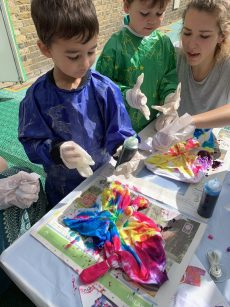
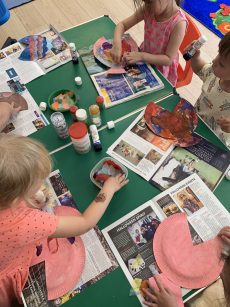
This is the core part of the morning!
Children take part in a mixture of structured learning and free play, including:
- Teacher-led activities
- Child-led exploration
- Fantasy play
- Creative activities
- Daily specialist sessions
- Opportunities to discover and develop new skills
This balance matters because children learn in different ways – teacher-led activities introduce new ideas, while child-led play allows children to follow their interests, make choices and build confidence.
Fantasy play is especially valuable because it helps children develop language, imagination, emotional understanding and social confidence.

Specialist Activities Throughout The Week
We include a special activity every day as part of the curriculum. These activities add variety to the nursery schedule and help children develop physical, creative, social and communication skills.
Monday: Outdoor Learning Sessions
On Mondays, as the summer season approaches, children enjoy outdoor learning sessions focused on planting, growing, and connecting with nature. Whether they are planting seeds, watering flowers, or exploring the nursery garden, these hands-on activities encourage children to learn about the natural world in a fun and meaningful way.
These sessions help children:
- Learn how plants grow and how to care for them
- Develop a connection with nature and the outdoors
- Encourage curiosity through hands-on exploration
- Build confidence and independence through practical activities
- Develop physical and motor skills through digging, planting, and watering
- Promote well-being through fresh air, movement, and outdoor play


Tuesday & Friday: Multi-Sports
On Tuesdays and Fridays, Coach Killian leads multi-sport activities.
These sessions focus on ball skills, athletics and teamwork, helping children improve motor skills, listen to instructions and enjoy movement in a playful, energetic setting.
Wednesday: Music & Movement
On Wednesdays, Miss Emily leads music and movement.
Your child will explore rhythm, sound and movement while developing coordination, creativity and confidence.
Thursday: French Classes
On Thursdays, children enjoy French classes with Mme Dieu from Les Coccinelles.
The sessions introduce French playfully and engagingly, helping children build early language awareness and listening skills.
Friday: Foodie Friday
Foodie Friday gives children the chance to cook, taste different fruits and vegetables, and explore nutrition and mindfulness.
This hands-on activity supports confidence around food, sensory learning, conversation and healthy habits.
11am To 11:30am: Hand Washing, Snack & Story Time
After a busy morning of play and learning, children move into a calmer part of the day.
Hand washing, snack and story time help reinforce good daily habits while giving children a chance to pause.
Snack time supports:
- Independence
- Social conversation
- Sitting together
- Hygiene routines
- Trying different foods
Story time supports:
- Listening
- Vocabulary
- Imagination
- Early literacy
- Calm attention
These simple routines are often some of the most valuable parts of a nursery day because they help children practise everyday skills in a familiar setting.

11:30am to 12:15pm: Outdoor Free Play
As one of the nurseries in Putney with garden space, outdoor play is an important part of our daily routine.
Children have time outside to climb, run, use outdoor toys, explore nature and enjoy physical play.
Outdoor free play supports:
- Gross motor skills
- Coordination
- Confidence
- Social interaction
- Emotional wellbeing
- Curiosity
- Risk awareness
Many parents now look for nursery schools that value outdoor play, movement and wellbeing as part of everyday learning.
12:15pm: Home Time For Morning Children
For children attending the morning session, home time is at 12:15pm.
A consistent home time routine helps children understand the shape of the day and feel secure in what happens next, and for parents, it also gives you a clear and predictable nursery schedule.
Lunch Club For Children Aged Two And Up
Our popular Lunch Club is for children aged two and up, offering parents more flexibility and allowing children extra time to play, learn and interact with their peers in a relaxed setting.
Lunch Club can also help children practise:
- Mealtime independence
- Social confidence
- Conversation
- Longer routines
- Self-help skills
Afternoon School For Children In Their Final Nursery Year
For children in their final year of nursery, we offer Afternoon School sessions on Monday and Wednesday or Tuesday and Thursday afternoons.
These sessions provide extra opportunities for learning and development before the transition to primary school.
Afternoon School can support:
- School readiness
- Confidence
- Listening skills
- Independence
- Social development
- Familiarity with longer learning routines
Why Routine Matters In Early Years Development
Young children often feel more secure when they know what to expect.
A consistent nursery daily routine helps children understand the rhythm of the day, move between activities more confidently and develop independence over time.
Routine can support:
- Emotional security
- Confidence
- Communication
- Self-regulation
- Social skills
- Independence
- School readiness
The best nursery routines are not overly strict. They provide enough structure to reassure children, while allowing flexibility for play, curiosity and individual needs.
How Structured Play & Free Play Work Together
Parents often wonder whether children spend the day “just playing” or following formal lessons.
In early years education, play is learning.
Free play helps children make choices, communicate, negotiate, imagine and solve problems. Structured activities help introduce new skills, routines and shared experiences.
Our nursery school routine includes both, giving children space to explore while still benefiting from teacher guidance and planned learning.
Do All Children Settle Into Nursery In The Same Way?
No. Every child settles differently.
Some children feel confident quickly, while others need more time, reassurance and consistency, and this is completely normal!
A warm nursery environment, familiar routines and experienced staff can help children gradually feel safe, valued and ready to join in.
FAQs
What Happens at Nursery During The Day?
Children usually experience a mixture of free play, teacher-led activities, group time, outdoor play, snack routines, stories and social interaction. At Square One Nursery, our day also includes regular specialist activities such as gymnastics, multi-sports, music, French and Foodie Friday.
What Is a Good Nursery Schedule For Young Children?
A good nursery schedule gives children consistency while allowing flexibility. It should include time to settle, play independently, learn with adults, socialise, move outdoors, eat, rest and enjoy stories or quieter activities.
Do Children Play All Day at Nursery?
Play is a central part of nursery learning, but it is not aimless. Through play, children develop language, confidence, creativity, problem-solving, independence and social skills.
Why Is Outdoor Play Important at Nursery?
Outdoor play supports physical development, coordination, confidence, wellbeing and social interaction. It also gives children space to explore, move and learn through real experiences.
How Does Nursery Routine Help With School Readiness?
Nursery routines help children practice listening, following instructions, joining group activities, managing transitions, communicating needs and becoming more independent before starting primary school.
Helping Your Child Feel Ready For Nursery
Understanding what happens during a nursery day can make the transition feel calmer for both parents and children.
At Square One Nursery, the daily routine is built around warmth, consistency, play and purposeful early years learning, helping children grow in confidence at their own pace.
To learn more about Square One’s approach, explore the Curriculum page, read more about the nursery on the About Us page, or use the Contact Us page to ask a question or arrange a visit.

